

Autopsy & forensics
Types of injuries
Drowning
Editorial Board Member: Lorenzo Gitto, M.D.


Last author update: 1 February 2024
Last staff update: 1 February 2024
Copyright: 2012-2024, PathologyOutlines.com, Inc.
PubMed Search: Drowning
Table of Contents
Definition / general | Essential features | Terminology | Epidemiology | Stages of drowning | Diagrams / tables | Physiology of drowning | Freshwater versus saltwater drowning | Autopsy findings | Effect of submersion on postmortem changes | Ancillary testing | Cause and manner of death | Scene investigation | Drowning scenes other than natural bodies of water | Case reports | Clinical images | Gross images | Additional references | Board review style question #1 | Board review style answer #1 | Board review style question #2 | Board review style answer #2Cite this page: Higginson ES, Wilson AM. Drowning. PathologyOutlines.com website. https://www.pathologyoutlines.com/topic/forensicsdrowning.html. Accessed April 19th, 2024.
Definition / general
- Drowning: respiratory impairment (asphyxia) due to inhalation of water following submersion in liquid (Acad Forensic Pathol 2018;8:8, J Forensic Leg Med 2019;66:79)
- Implies an air - liquid interface at the opening of the airway that prevents the individual from inhaling air
- Effects of drowning dependent on many factors including age and health of victim and environmental circumstances (e.g., temperature, composition of water, etc.)
- Definitions vary with context (Circulation 2003;108:2565)
- End point variations: immediate death, delayed death or survival
- For the purposes of forensic pathology, the definition of drowning includes an endpoint of death
- Death cases that should be categorized as drownings
- Individual dies due to drowning while submerged
- Individual is rescued and resuscitated but dies due to drowning related sequelae
- Most common cause of death in resuscitated drowning victims is posthypoxic encephalopathy
- Other sequelae that may lead to death include acute respiratory distress syndrome (ARDS), multiorgan system failure due to global ischemia, sepsis due to aspiration pneumonia or nosocomial infections
Essential features
- Drowning: submersion in liquid leading to respiratory impairment and death
- Deaths categorized as drownings: person dies while submerged or dies of submersion sequelae after resuscitation
- Circumstances of drowning critical for determination of cause and manner of death
- Nonspecific autopsy findings; drowning is usually a diagnosis of exclusion
- Submersion can alter the evolution of usual postmortem changes
Terminology
- Various terminology related to drowning may be found in the literature; use of these terms may vary
- Dry drowning: sometimes used to describe delayed drowning deaths (i.e., person inhales water, is resuscitated and dies after)
- Near drowning: sometimes used to refer to an individual submersed who is resuscitated and survives > 24 hours
- Complications: pneumonia, pulmonary edema, hemoglobinuria, cardiac arrhythmia, fever, sepsis and sequelae of cerebral hypoxia; rapidly developing cerebral edema is a common mechanism of death (Int J Environ Res Public Health 2017;14:1402)
Epidemiology
- > 230,000 annual drowning deaths worldwide
- Third leading cause of unintentional injury death worldwide
- > 4,000 annual drowning deaths in the United States
- Risk factors
- Male sex (M:F = 2:1)
- Young age (more prevalent in ages 1 - 24; highest in ages 1 - 4)
- Age > 85 years
- Lower socioeconomic status
- Intoxication (drug and alcohol)
- Reference: WHO: Drowning [Accessed 17 January 2024]
Stages of drowning
- Stage 1: surprise / reflective inspiration
- Victim recognizes risk and inhales deeply to fill lungs with as much air as possible
- Usually lasts a few seconds
- Stage 2: apnea
- Victim holds breath in attempt to not allow water to enter airways
- Usually lasts less than 1 minute
- Stage 3: deep breathing / expiratory dyspnea
- Increasing hypoxia and hypercapnia as a result of apnea lead to respiratory stimulation with expiratory dyspnea and rapid swallowing, resulting in entry of water into airway and gastrointestinal (GI) tract
- Stage 4: convulsive
- Anoxic brain injury results in bradycardia, arrhythmia and convulsion
- Stage 5: terminal apnea / death
- Anoxic brain injury becomes irreversible and breathing and circulation cease
- Dependent on person's age and temperature of water
- Case reports of survival following prolonged submersion in cold water versus retrospective analysis of near drownings (JAMA 1988;260:377, Resuscitation 2002;52:247)
- Submersion time thought to be best prognostic factor
- Anoxic brain injury becomes irreversible and breathing and circulation cease
- References: Int J Legal Med 2021;135:281, Med J Aust 1985;142:586
Diagrams / tables
Contributed by Lorenzo Gitto, M.D.
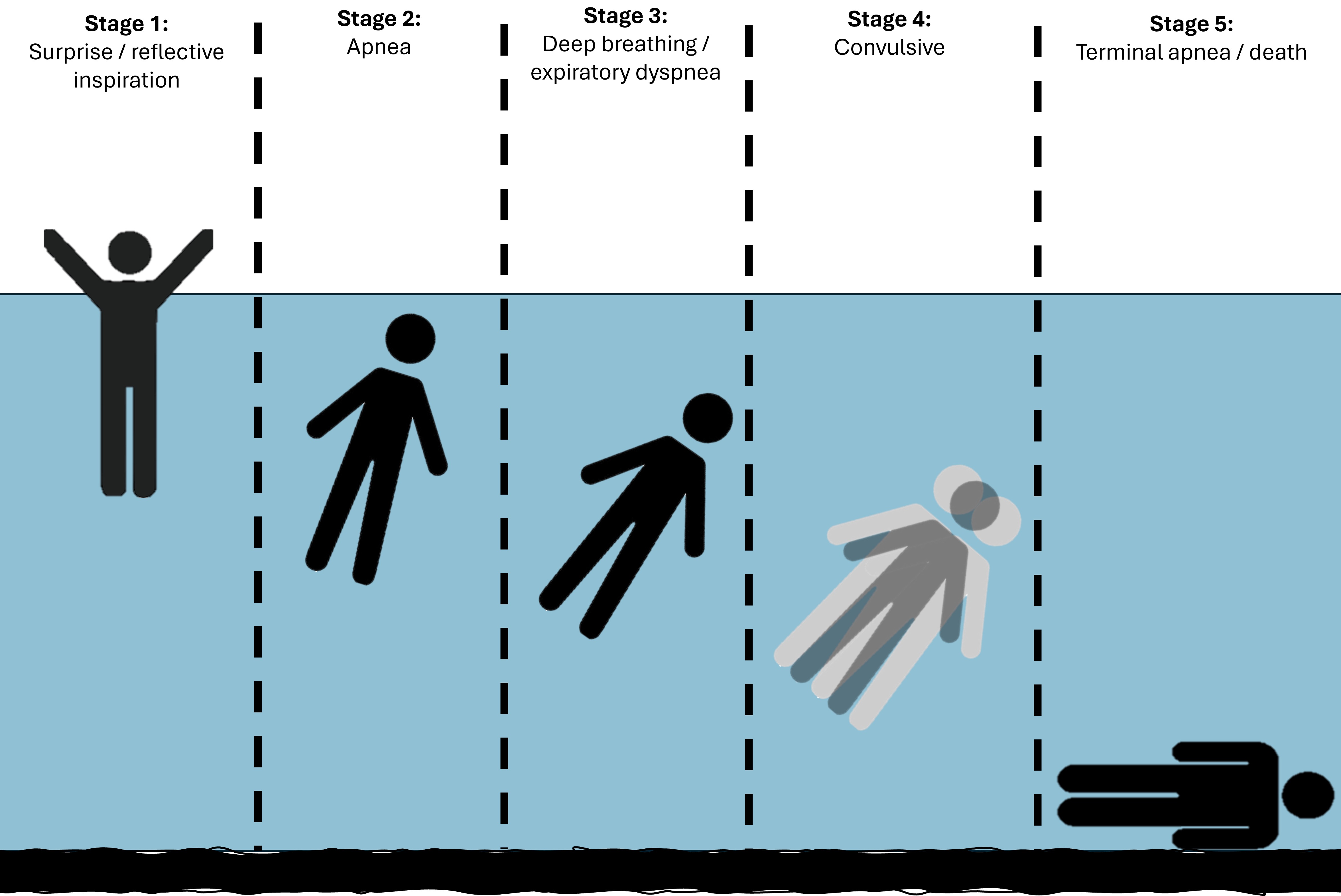
Stages of drowning
Physiology of drowning
- Drowning physiology involves 2 events
- Immersion (above water)
- Cardiorespiratory responses to temperature changes (see below)
- Can culminate in a collapse followed by submersion
- Submersion (underwater)
- Inhalation of water → vagal reflex → increased airway resistance and pulmonary vasoconstriction → decreased lung compliance and pulmonary hypertension → severe ventilation perfusion mismatch (JAMA 1986;256:75)
- Extrapulmonary sequelae may include hemolysis or electrolyte disturbances (see Freshwater versus saltwater drowning below)
- Immersion (above water)
- Diving reflex: cold water submersion causing bradycardia and vasoconstriction in peripheral vascular beds to shunt blood to brain and heart
- May be present in children and contribute to higher survival rates in younger ages
- Reflexive peripheral vasoconstriction varies with vascular gene expression (Am J Physiol Heart Circ Physiol 2017;312:H622)
- Cold shock
- Immediate exposure of the body to cold water (usually after body immersion)
- Sudden skin cooling may result in a cold shock response characterized by peripheral vasoconstriction, hypertension, inspiratory gasp and hyperventilation with swimming inability and liquid aspiration (Int J Environ Res Public Health 2020;17:8984)
- Acute anxiety is an important risk factor for cold shock response (Front Psychol 2018;9:510)
- Complications according to body temperature
- Below 35 °C (95 °F) leads to confusion, disorientation and decreased muscle coordination
- Below 33 °C (~91 °F) leads to hypoventilation, bradycardia and irregular breathing
- Below 30 °C (86 °F) leads to stupor or unconsciousness and coma
- Below 28 °C (~82 °F) leads to ventricular fibrillation
- Below 25 °C (77 °F) leads to cardiac arrest and death
- Reference: Physiology (Bethesda) 2016;31:147
Freshwater versus saltwater drowning
- Differences in survivability after inhalation of fresh versus salt water unproven
- Freshwater denatures alveolar surfactant and passes to bloodstream → hemodilution → disruption of osmotic gradient → hemolysis (Pediatr Clin North Am 2001;48:627)
- Freshwater frequently defined as salinity < 1% (e.g., most rivers, lakes, ponds, pools, bathtubs, etc.)
- Saltwater dilutes surfactant → intravascular water is drawn into alveoli → hemoconcentration → electrolyte disturbances (Exp Ther Med 2017;13:2591)
- Saltwater most commonly refers to ocean water and includes some lakes
- Reference: Eur Radiol 2016;26:1186
Autopsy findings
- External examination
- Inspection of clothing, if present, for condition, defects, debris
- Artifacts in clothing condition may be present if caught on rocks, brush or other objects in water
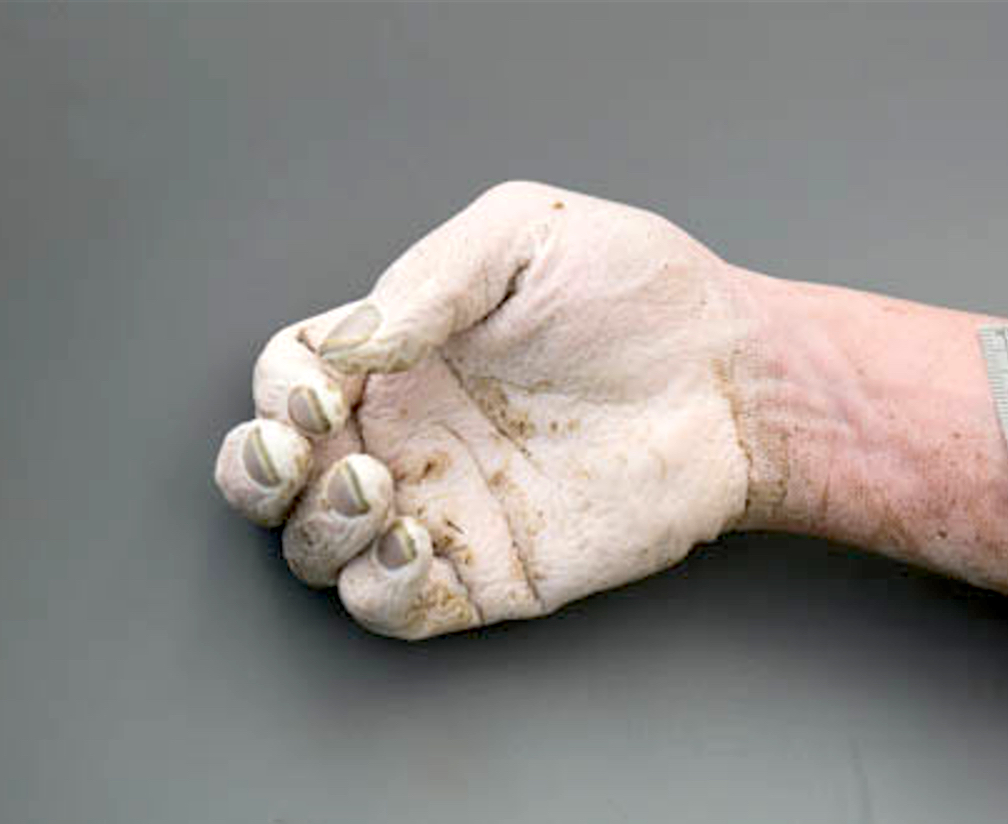
- Cutaneous changes of immersion (washerwoman hands and feet): wrinkling and pallor of skin
- Cutis anserina (goose flesh): rigor of arrector pili muscles
- Variable injuries
- Blunt force most common, abrasions and lacerations also possible
- May occur before submersion, on impact with water or during submersion
- Consider topography, presence of manmade objects in water, velocity of currents (postmortem abrasions exaggerated in rapid current), depth of water
- Resuscitative injuries
- Inspect carefully for suspicious injuries (e.g., stab wounds)
- Froth in mouth or nose (foam cone)
- Signs of animal predation, if applicable
- Inspection of clothing, if present, for condition, defects, debris
- Internal examination
- Froth / foam in airways
- Watery gastric contents with fluid - fluid level
- Water in respiratory tract (often minimal)
- Watery sphenoid contents
- Debris in respiratory tract or gastrointestinal tract (e.g., silt, dirt, vegetation)
- Neck muscle hemorrhage can be present
- May result from violent neck movements during the process of drowning (Am J Forensic Med Pathol 1998;19:223)
- Can be a sign of excessive neck extension at convulsion stage (Int J Legal Med 2021;135:281)
- Does not necessarily indicate neck compression or inflicted trauma
- Scleral hemorrhage can be present
- Drowning related elevation in central venous pressure can be communicated to head through valveless veins of the neck (J Forensic Sci 2011;56:522)
- Any barotrauma findings
- References: Acad Forensic Pathol 2018;8:8, Forensic Sci 1972;1:397
Effect of submersion on postmortem changes
- Usual postmortem changes still occur in drowning cases
- Livor and rigor mortis
- Skin discoloration and sloughing
- Marbling
- Purge fluid
- Bloating
- Bloating will cause body to float (if not tethered or weighted down)
- Body usually arrives to surface in prone position with face submerged and extremities hanging downward (drowning position)
- Regions above water surface may dry out and mummify
- Anterior lividity if body in drowning position
- Decomposition changes may occur at different pace than on land
- Dependent on water factors (temperature, salinity, currents, bacteria present)
- Fly larvae not present under water; may be present if there are body surfaces exposed to air
- Saltwater bacterial content typically lower → slower decomposition
- Onset and disappearance of livor and rigor may be accelerated or slowed based on water temperature
- Adipocere: yellow to brown waxy material comprising long chain fatty acids
- Formed in moist environments, can occur with submersed bodies
- Usually occurs over long postmortem interval (months)
- May present as white spots on mucosal surfaces of organs
- Reference: Acad Forensic Pathol 2016;6:19
Ancillary testing
- Drowning is a diagnosis of exclusion
- Not widely used, sensitive / specific, validated testing available (research ongoing)
- Characterization of drowning deaths involves routine ancillary testing (to rule out other causes of death or contributory factors), including
- Drug toxicology
- Carbon monoxide testing
- Tests discussed in the literature, used variably in forensic examination
- Paranasal (sphenoid, maxillary, frontal) sinus fluid
- Nonspecific
- Some evidence of association of drowning with larger fluid volume in paranasal sinuses versus other causes of death (Eur Radiol 2016;26:1186)
- Can be assessed visually or with postmortem computed tomography (CT) scanning (J Forensic Radiol Imag 2015;3:111)
- With or without sediment
- Forensic limnology
- Diatom test: identification of unicellular algae found in all bodies of water (Forensic Sci Res 2020;5:98)
- If present in the body, may suggest drowning
- If absent, does not rule out drowning
- Diatoms are very ubiquitous and have been documented in nondrownings
- May involve diatom species classification
- If present in the body, may suggest drowning
- Diatom test: identification of unicellular algae found in all bodies of water (Forensic Sci Res 2020;5:98)
- Gettler chloride test
- Used in context of suspected drowning for confirmation of saltwater versus freshwater
- Blood analyzed from right and left heart, chloride levels compared
- If chloride level higher on right than left, thought to indicate saltwater drowning
- If chloride level higher on the left than right, thought to indicate freshwater drowning
- Unreliable and not widely used
- Forensic anthropology / taphonomy
- Becomes critical if body is skeletonized due to aquatic animal predation
- Skeletonization can occur rapidly if carnivorous aquatic species present
- Paranasal (sphenoid, maxillary, frontal) sinus fluid
Cause and manner of death
- Not all bodies recovered from water have cause of death attributed to drowning
- Must consider death due to natural disease, weather and temperature, drug intoxication, electrical hazards or other causes
- If death due to natural disease, must consider whether the disease would have caused death if event occurred outside of water
- Example: catastrophic brainstem hemorrhage would cause death in water or on dry land (water would not play a role, usually not ruled as drowning) versus a seizure in water may cause drowning but the seizure would not necessarily lead to death if it occurred on dry land (usually ruled as drowning)
- Drowning largely considered a diagnosis of exclusion
- Must consider death due to natural disease, weather and temperature, drug intoxication, electrical hazards or other causes
- Manner of death in drowning not always accidental
- Attention must be paid to evidence as to how and why the person was submersed and whether there was attempt to self extricate
- Manner may be accidental, homicide or suicide
- If the event is unwitnessed, there are conflicting statements or simply there is not enough information on the circumstances of the event, the manner of death should remain undetermined (Med Sci Law 2003;43:207)
- Accurate determination of cause and manner of death requires coordinated efforts between law enforcement, medicolegal investigators, first responders and forensic pathologists
- Reference: Forensic Sci Int 2006;163:1
Scene investigation
- Standard scene investigation and documentation elements apply to cases of suspected drowning
- Body location, position and temperature
- Identification and medical history of decedent
- Resuscitation efforts
- Witness statements
- Photographs
- Special considerations for investigation of suspected drowning scenes
- Water and surrounding environment conditions
- Efforts to recover body from water
- Collection of water sample
- Collection of any gear associated with the decedent (e.g., life vests, breathing apparatuses used for snorkeling or diving, etc.)
- Inspection of any vehicles or vessels that may be involved (e.g., boats, rafts, jet skis, etc.)
- Collection of ancillary testing materials, where applicable
- Entomology
- Botany
- References: Wagner: Death Scene Investigation - A Field Guide, 1st Edition, 2008, Spitz: Spitz and Fisher's Medicolegal Investigation of Death - Guidelines for the Application of Pathology to Crime Investigation, 5th Edition, 2020
Drowning scenes other than natural bodies of water
- Drowning can occur in any collection of liquid or water sufficient enough to cover the mouth and nose
- Sinks or basins, bathtubs, pools, hot tubs, sewage tanks, etc.
- Must modify scene investigation based on water involved
- Examination of surrounding areas (e.g., counters, floors) for wetness
- Temperature of home or building (if indoors)
- Temperature of bath water
- Very hot water may indicate intentional scalding
- Cold water may indicate delayed activation of emergency services
- Temperature of pool or hot tub water, documentation of temperature control apparatuses
- Collection of water if not drained by associates of decedent or first responders
- Example: analysis of water from bathtub for soap at a scene where a parent claims to have been bathing an infant or toddler
- Depth of water and presence of any identifiable substance (e.g., soap, mildew, blood, urine)
- Presence of other objects
- Expected objects (e.g., towels in a bathroom, pool toys in a pool, etc.)
- Unexpected objects (e.g., cleaning supplies open and recently used, possibly indicating attempted clean up of scene)
- Presence of electrical hazards (e.g., hair dryer in bathroom)
- Documentation of layout of home or other involved buildings
- References: Wagner: Death Scene Investigation - A Field Guide, 1st Edition, 2008, Spitz: Spitz and Fisher's Medicolegal Investigation of Death - Guidelines for the Application of Pathology to Crime Investigation, 5th Edition, 2020
Case reports
- 18 month old child drowns in home swimming pool (Med Sci Law 2015;55:304)
- 5 year old daughter and 30 year old father drown in sea during homicide / suicide (J Forensic Sci 2014;59:1432)
- 8 year old girl dies by manual strangulation in connection with drowning (Forensic Sci Med Pathol 2019;15:233)
- 26 year old man drowns in private pool (Forensic Sci Int 2021;3:100189)
- 31 year old woman drowns in a well (Am J Forensic Med Pathol 2018;39:27)
- 37 year old woman drowns in a Jacuzzi (Med Leg J 2016;84:159)
- 55 year old man dies after being beaten and thrown into sea (Forensic Sci Med Pathol 2019;15:233)
Clinical images
Contributed by Allecia M. Wilson, M.D.
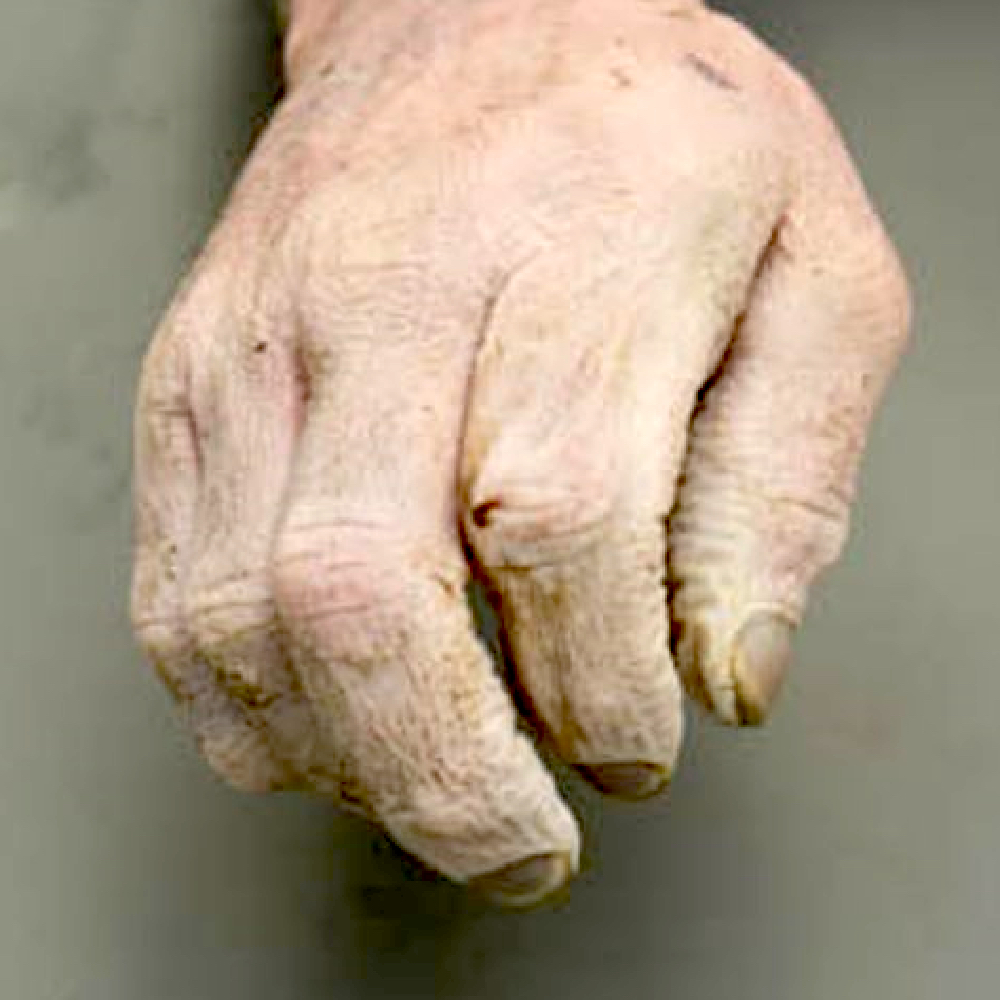
Washerwoman hands
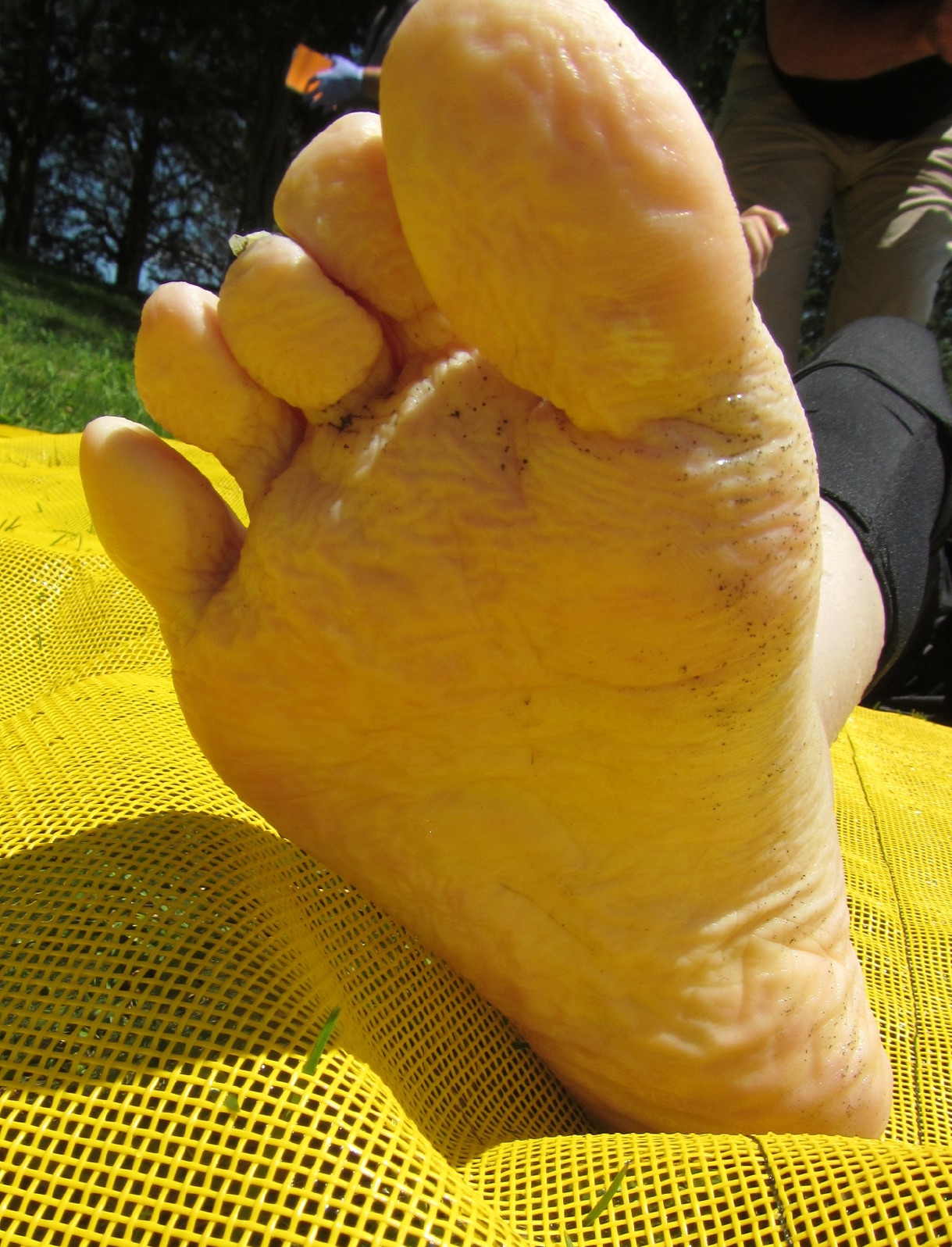
Washerwoman feet
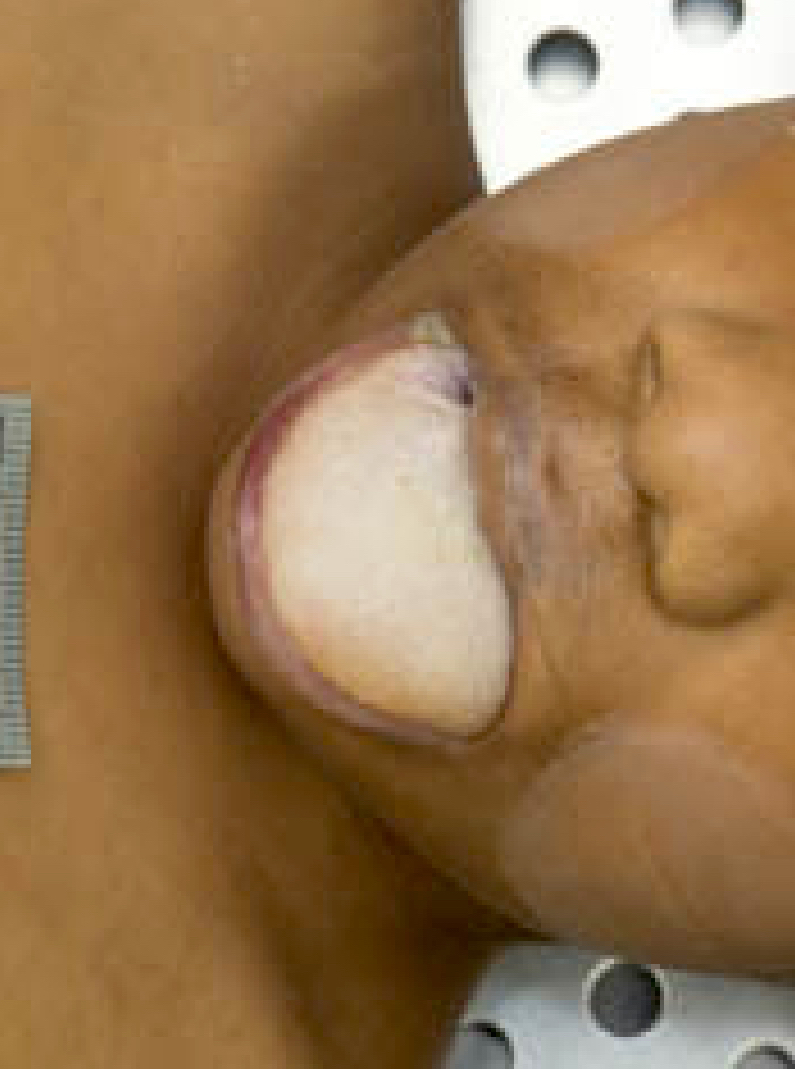
Mouth with foam cone
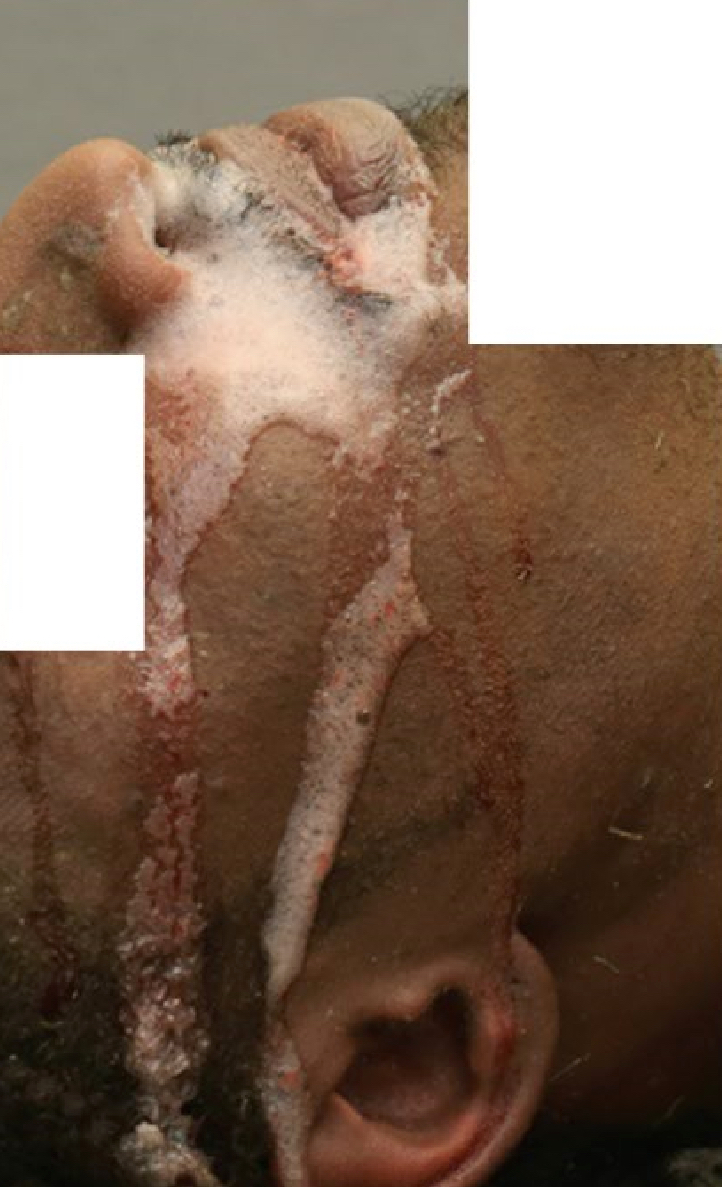
Mouth and nose with foamy contents
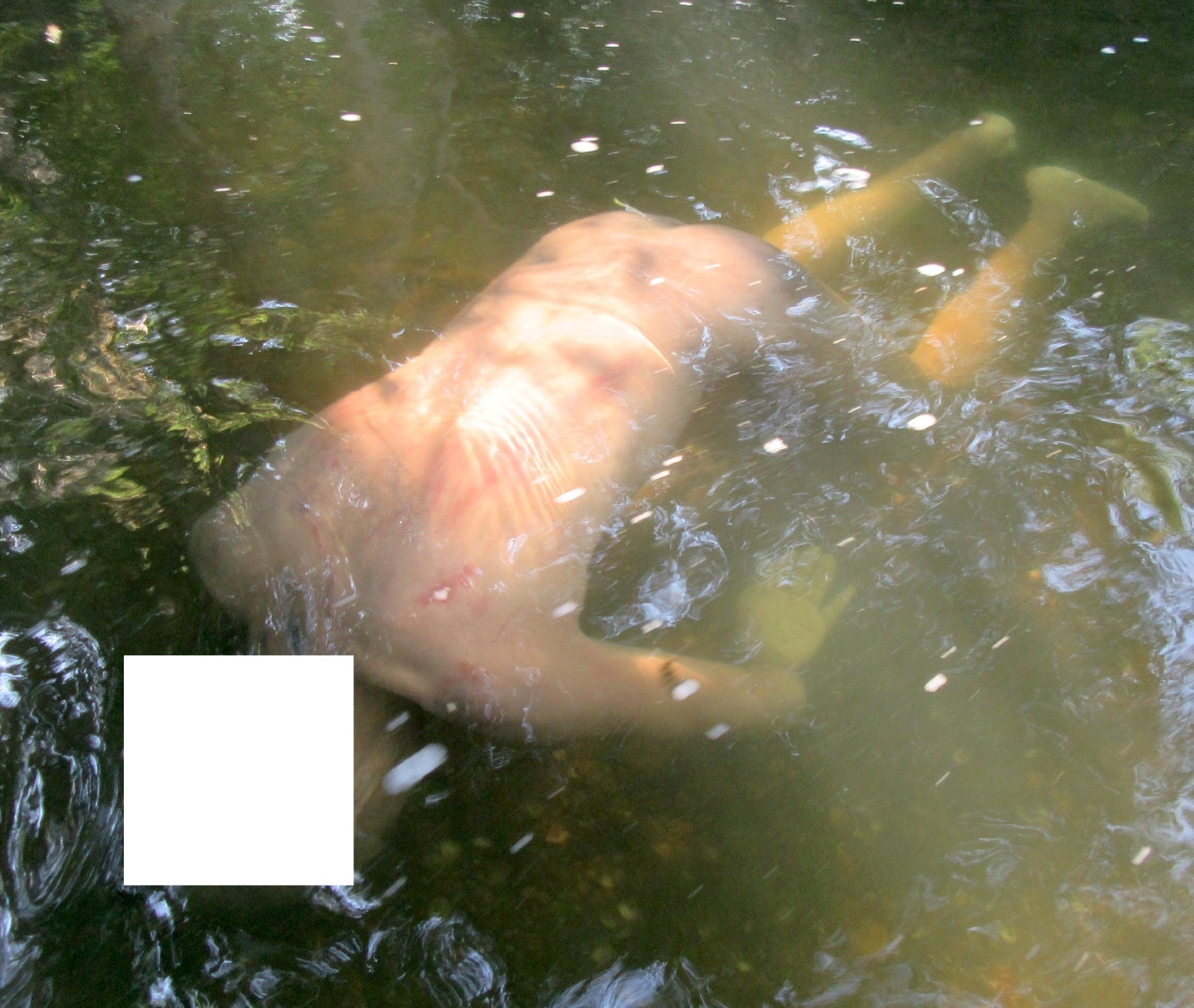
Drowning scene
Gross images
Contributed by Allecia M. Wilson, M.D.
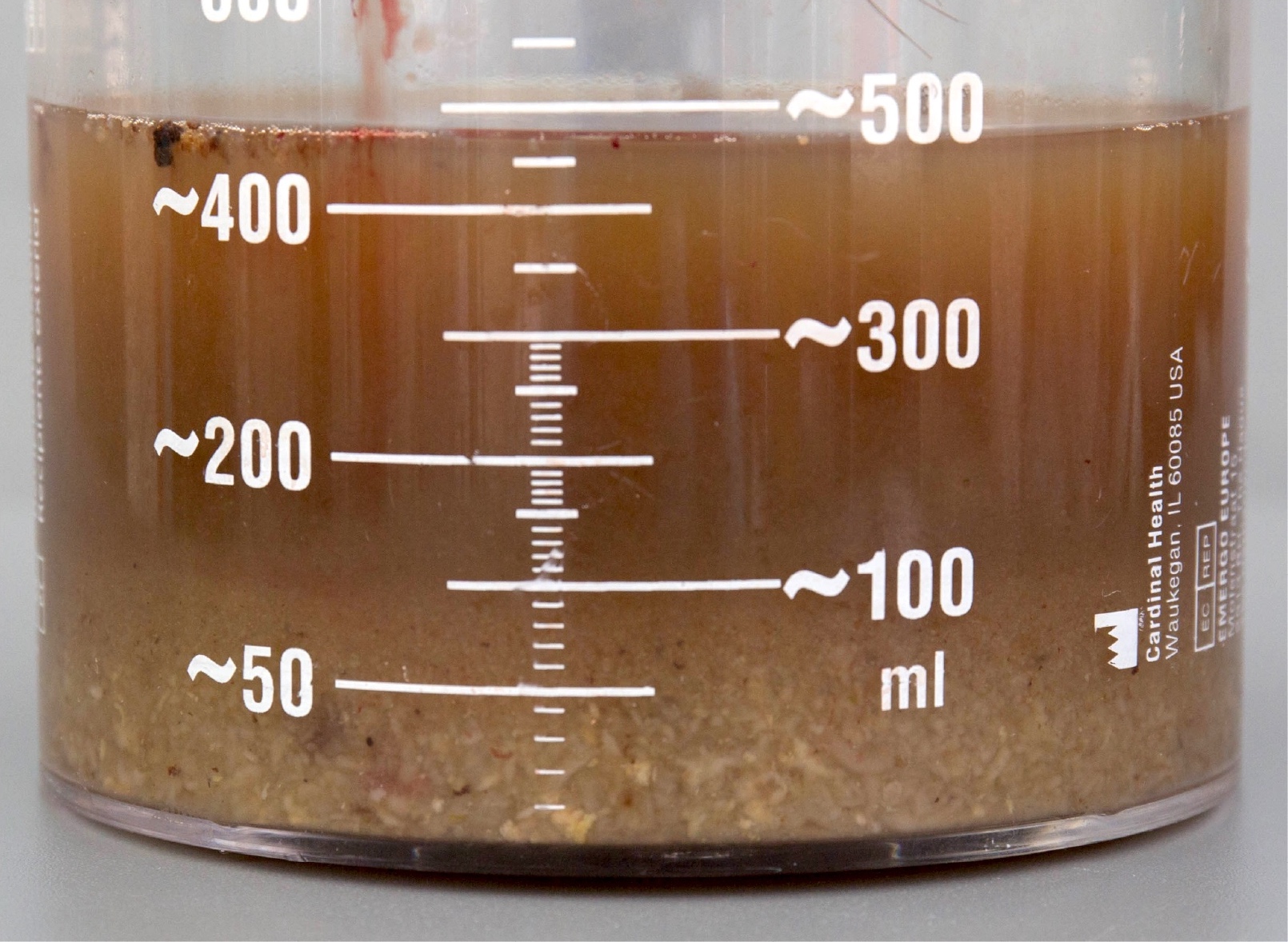
Stomach contents with muddy water and sediment
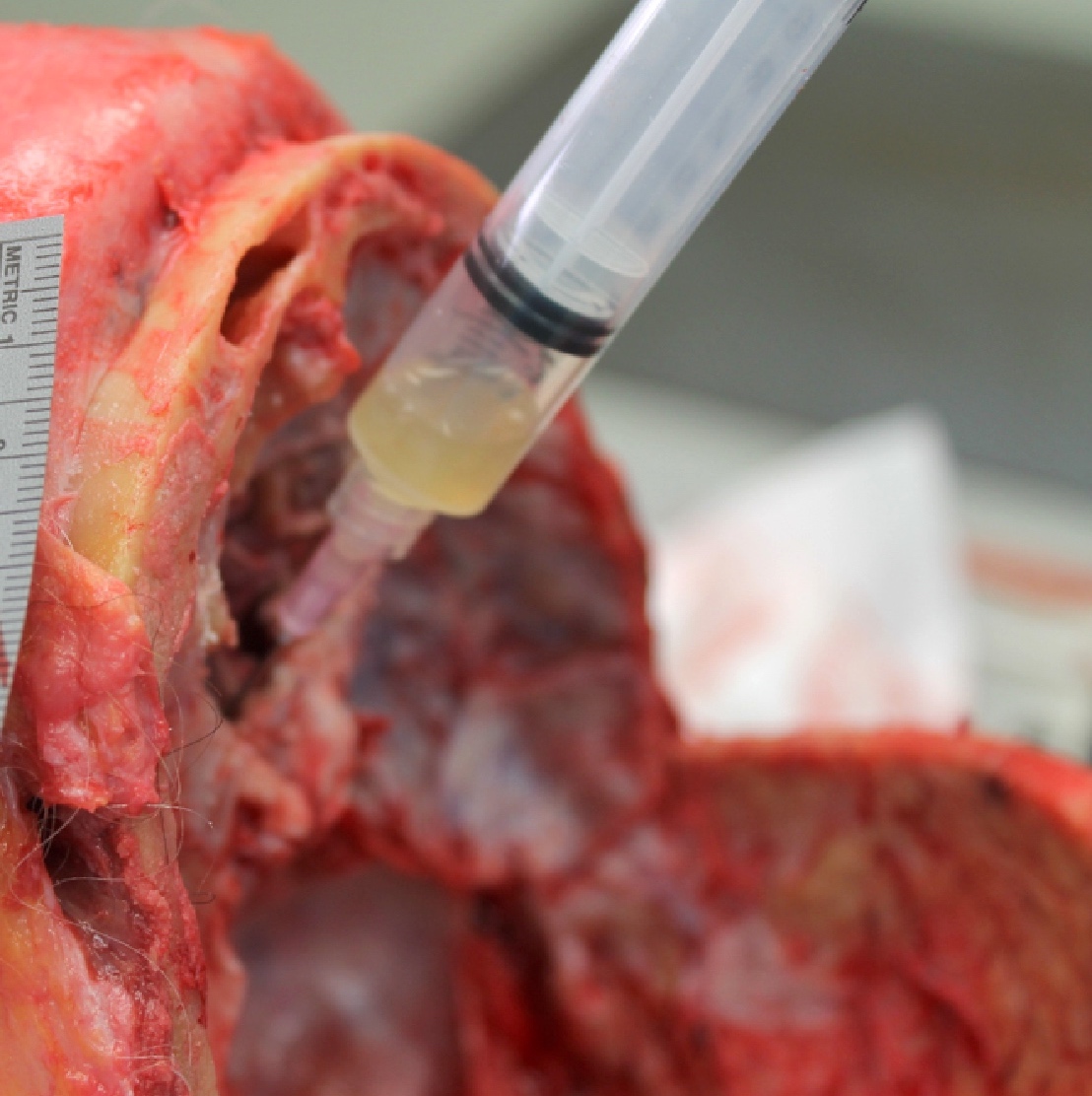
Extraction of watery sphenoid contents
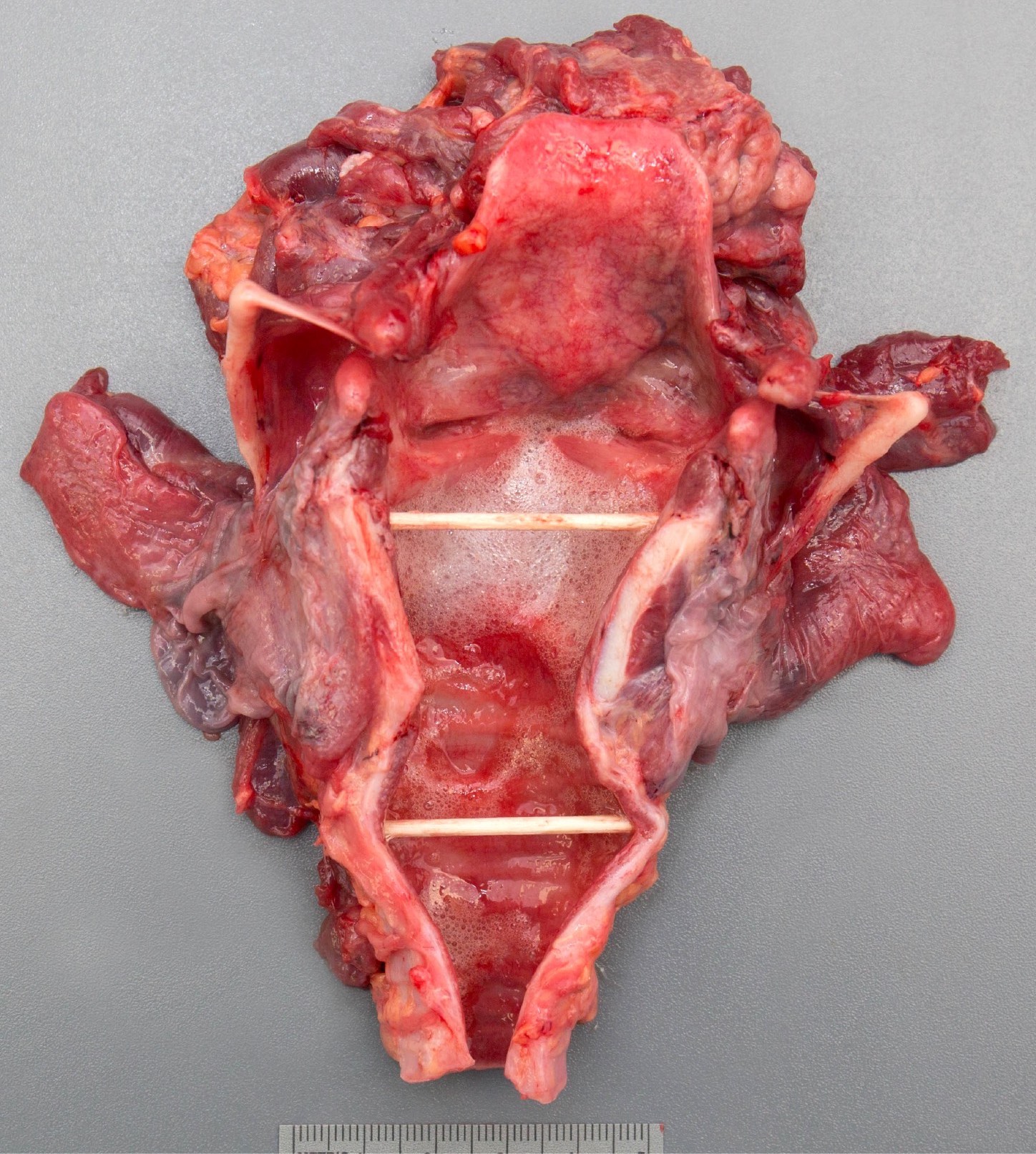
Larynx with foamy contents
Additional references
Board review style question #1
A 51 year old man is discovered deceased, floating face down in a lake where he is known by friends to swim recreationally. He is wearing only swim trunks. He was observed by a passing jogger to be swimming back and forth in regular laps from one side of the lake to the other. This observation was made about 30 minutes before he was discovered floating face down. He also spoke to his sister on the phone the day before and is reported by her to have been in good spirits. The decedent's medical history includes hypertension, depression and seizure disorder. He is known to struggle with medication compliance but is prescribed medications for each of these conditions. He is not married and has one adult child in good health. He is a former smoker. The lake water is found to be clear, still and 77 °F (25 °C). The lake is within walking distance to the decedent's home in northern Florida and only the jogging path is nearby. A pair of tennis shoes are found neatly placed on the shore. Investigators have found no signs of foul play. The above examination finding was discovered at autopsy. Drug and alcohol toxicity panels are negative. What is the most likely cause and manner of death?
- Cardiac arrhythmia, natural
- Drowning, accidental
- Drowning, suicide
- Myocardial infarction, natural
- Myocardial infarction with rupture, natural
Board review style answer #1
B. Drowning, accidental.
The decedent is known to swim in the lake and was observed doing so 30 minutes before he was found dead. Since he is known to swim there and his shoes were placed neatly at the shore, it is likely that he decided to swim that day as he does regularly for recreation. Answer C is incorrect because there were no scene findings and no situational information to suggest suicide. In addition, although he has a history of depression and may be noncompliant with medication, the decedent was witnessed doing his normal laps at the time in question and is reported by his sister to have been in good spirits the day before. The decedent has a history of noncompliance with medication for a seizure disorder and has several risk factors for cardiac disease (smoking, hypertension, age, sex). It is possible he had a seizure event or a cardiac event while swimming recreationally, leading to accidental drowning. Answers A, D and E are incorrect because if the decedent were not in the water while the event occurred, it is possible that he would have been able to receive medical attention that would have been lifesaving; however, he was in the water at the time of the event and therefore the death should be classified as an accidental drowning (as opposed to natural causes of death).
Comment Here
Reference: Drowning
Comment Here
Reference: Drowning
Board review style question #2
A 6 year old boy is determined at autopsy to have died of drowning. Of the locations listed, what is the most likely to been involved in this child's death?
- Bathtub
- Lake
- Ocean
- Standing outdoor water (e.g., bucket of water near a home or school)
- Swimming pool
Board review style answer #2
E. Swimming pool. The most likely location of a drowning death in this age group (i.e., preschool or early elementary school aged children) is a swimming pool. Oftentimes the pool is at a community park or in the backyard of a home. Answer A is incorrect because a bathtub is the most common site of drowning in infants (i.e., children less than 1 year of age). Answer D is incorrect because it describes a scenario in which children in the toddler age range (i.e., 1 - 3 years) may get trapped in areas with standing water, such as when they may be playing near a bucket or other basin with water. It is less likely for a child 6 years of age to get trapped in such a scenario. Answers B and C are incorrect because drownings associated with larger outdoor bodies of water (e.g., lakes, ponds or oceans) are more likely to be associated with the teenage and young adult populations.
Comment Here
Reference: Drowning
Comment Here
Reference: Drowning


