


Lung
Infectious
Acute pneumonia


Copyright: 2003-2024, PathologyOutlines.com, Inc.
PubMed search: bacterial pneumonia

- Broadly defined as acute inflammation of the lung parenchyma
- Clinically characterized by fever, purulent sputum, leukocytosis and decline in oxygenation
- Caused by bacteria and other microorganisms (virus and fungus)
- Classically divided by gross morphology into lobar and bronchopneumonia
- Intra-alveolar fibrinopurulent exudate with neutrophils
- Streptococcus pneumoniae is the most common bacteria causing community acquired pneumonia
- Gram negative bacilli and Staphylococcus aureus are important causes of hospital acquired pneumonia and ventilator associated pneumonia
- Classification principles:
- Pathogens: bacterial, viral, fungal
- Clinical setting: community acquired pneumonia (CAP), hospital acquired pneumonia (HAP), ventilator associated pneumonia (VAP)
- Extent:
- Lobar pneumonia: involvement of the entire lung lobe
- Bronchopneumonia: patchy involvement of the lung parenchyma, originating from the airway
- Community acquired pneumonia (CAP):
- Lung infection that is acquired from the normal environment
- Hospital acquired pneumonia (HAP) (Clin Infect Dis 2016;63:e61):
- Pneumonia not incubating at the time of hospital admission and occurring > 48 hours after admission
- Ventilator associated pneumonia (VAP):
- Pneumonia occurring > 48 hours after endotracheal intubation
- Healthcare associated pneumonia (HCAP):
- American Thoracic Society (ATS) / Infectious Diseases Society of America (IDSA) recommend abandoning this term in the most recent HAP / VAP guideline
- ICD-10:
- J13 - pneumonia due to Streptococcus pneumoniae
- J14 - pneumonia due to Hemophilus influenzae
- J15.0 - pneumonia due to Klebsiella pneumoniae
- J15.1 - pneumonia due to Pseudomonas
- J15.2 - pneumonia due to Staphylococcus
- J15.3 - pneumonia due to streptococcus, group B
- J15.4 - pneumonia due to other streptococci
- J15.5 - pneumonia due to Escherichia coli
- J15.6 - pneumonia due to other aerobic gram negative bacteria
- J15.8 - other bacterial pneumonia
- J15.9 - bacterial pneumonia, unspecified
- ICD-11:
- CA40.0 - bacterial pneumonia
- CA40.01 - pneumonia due to Escherichia coli
- CA40.02 - pneumonia due to Hemophilus influenza
- CA40.03 - pneumonia due to Klebsiella pneumoniae
- CA40.05 - pneumonia due to Pseudomonas aeruginosa
- CA40.06 - pneumonia due to Staphylococcus
- CA40.07 - pneumonia due to Streptococcus pneumoniae
- CA40.08 - pneumonia due to beta hemolytic Streptococcus
- CA40.0Y - pneumonia due to other specified bacteria
- CA40.0Z - bacterial pneumonia, unspecified
- Leading cause of adult hospital admissions in the U.S. (Healthcare Cost and Utilization Project (HCUP) Statistical Briefs: Most Frequent Conditions in U.S. Hospitals, 2011):
- Lower respiratory tract infection accounted for 78.8% of infectious deaths (JAMA 2018;319:1248)
- HAP and VAP accounted for 22% of hospital acquired infections in a U.S. 2014 survey (N Engl J Med 2014;370:1198)
- About 10% of patients put on mechanical ventilation develop VAP (N Engl J Med 2014;370:341)
- For most cases of CAP (62%), a causative organism is not identified (N Engl J Med 2015;373:415)
- Bacterial pneumonia accounts for 11% of CAP in the U.S.
- Remainder: virus 23%, bacterial and viral pathogens 3%, fungus or mycobacterium 1%
- Risk factors related to specific pathogens in CAP (Clin Infect Dis 2007;44:S27):
- Alcohol use disorder: S. pneumoniae, oral anaerobes, Klebsiella pneumoniae, Acinetobacter species
- Chronic obstructive pulmonary disease or smoking: Haemophilus influenzae, Pseudomonas aeruginosa, S. pneumoniae, Moraxella cararrhalis
- Structural lung disease (e.g., bronchiectasis): P. aeruginosa, Burkholderia cepacia, S. aureus
- Injection drug use: S. aureus, anaerobes, S. pneumoniae
- Endobronchial obstruction: anaerobes, S. pneumoniae, H. influenzae, S. aureus
- Risk factors for multidrug resistant pathogens in HAP / VAP (Clin Infect Dis 2016;63:e61):
- Prior intravenous antibiotic use within 90 days
- Septic shock at time of VAP
- Acute respiratory distress syndrome preceding VAP
- 5 or more days of hospitalization prior to the occurrence of VAP
- Acute renal replacement therapy prior to VAP onset
- Lungs, ranging from several acini to segments and lobes (up to total involvement)
- Predilection
- K. pneumoniae has a predilection for upper lobes (South Med J 1991;84:200)
- Aspiration pneumonia tends to involve dependent areas of the lung; posterior segments of the upper lobes and apical segments of the lower lobes (Br J Radiol 2010;83:998)
- Bacteria can reach the lungs in several ways (Semin Diagn Pathol 2017;34:498)
- Airborne droplet spread
- Microaspiration of pathogens that have colonized the oropharynx is a common mechanism in bronchopneumonia
- Spread to the lungs via the pulmonary or systemic blood supply
- Exudative spread throughout the lung via the pores of Kohn, potential channels between adjacent alveoli
- Development of lobar pneumonia entails 4 stages (Kumar: Robbins & Cotran Pathologic Basis of Disease, 10th Edition, 2020)
- Congestion: vascular engorgement, intra-alveolar fluid with few neutrophils, red cells and fibrin
- Red hepatization: massive confluent exudation (neutrophils, red cells and fibrin), resulting in liver-like consistency
- Gray hepatization: progressive disintegration of red cells, while fibrosuppurative exudate persists
- Resolution: exudate broken down by enzymatic process, resulting in cellular debris, macrophages infiltrate and fibroblast proliferation
- 5 - 15% of CAP are aspiration pneumonia (N Engl J Med 2001;344:665)
- Pneumonia from hematogenous spread can be a result of:
- Lemierre syndrome: infection and thrombosis of the internal jugular veins following throat and tonsillar infections by Fusobacterium necrophilum (N Engl J Med 2019;380:e16)
- Infective endocarditis at the tricuspid and pulmonic valves
- Survey data in hospitalized patients from CAP in the U.S. (N Engl J Med 2015;373:415, Am J Respir Crit Care Med 2019;200:e45)
- Most common: Streptococcus pneumoniae
- Followed by Mycoplasma pneumoniae, Staphylococcus aureus, Legionella species and Enterobacteriaceae
- Recent survey data in hospitalized patients from CAP in the U.S. (N Engl J Med 2015;373:415)
- Most common bacteria: Streptococcus pneumoniae, followed by Mycoplasma pneumoniae, Staphylococcus aureus, Legionella species and Enterobacteriaceae
- Causative organisms in HAP / CAP
- Data from the U.S. Center for Disease Control and Prevention in 2009 - 2010: S. aureus (24.1%), P. aeruginosa (16.6%), Klebsiella species (10.1%), Enterobacter species (8.6%), Acinetobacter baumannii (6.6%) and E. coli (5.9%) (Infect Control Hosp Epidemiol 2013;34:1)
- Streptococcus pneumoniae
- Gram positive, diplococci, lancet shaped, facultative anaerobe
- 100 known serotypes
- Vaccine containing capsular polysaccharide available for common serotypes
- Haemophilus influenza
- Gram negative coccobacillus, can be encapsulated (typeable) or unencapsulated (nontypeable)
- 6 serotypes based on capsular polysaccharide
- Vaccine available for H. influenzae type b (Hib), the most virulent serotype
- Staphylococcus aureus
- Gram positive cocci
- Important pathogen in HAP / VAP
- Emerging cause of CAP over the past 2 decades (Semin Respir Crit Care Med 2020;41:470)
- Panton-Valentine leukocidin (PVL): important virulence factor identified in community associated methicillin resistant S. aureus
- Toxin causing lysis of leukocytes and necrosis of epithelial cells
- Common coinfection with influenza virus
- Klebsiella pneumoniae
- Gram negative bacilli, facultative anaerobic, member of Enterobacteriaceae family
- Thick, mucoid appearing sputum is characteristic
- Pseudomonas aeruginosa
- Gram negative bacilli, strictly aerobic
- Important pathogen in cystic fibrosis patients and HAP / VAP
- Moraxella catarrhalis
- Gram negative, aerobic diplococcus
- Common cause of pneumonia in children under 5 years old (Recent Pat Inflamm Allergy Drug Discov 2018;12:136)
Images hosted on other servers:

Lung immune system

Specimen handling

Organisms causing CAP

Hospitalization rate
- Common signs and symptoms in CAP: dyspnea, cough, fever, chills and pleuritis (Lancet 2015;386:1097)
- Elderly people: less evident symptoms (e.g., an altered state of consciousness, gastrointestinal discomfort and fever can be absent)
- HAP / VAP presentation: increasing oxygen requirements, leukocytosis and secretions in the intensive care unit (Cleve Clin J Med 2020;87:633)
- Suggestive scenarios: respiratory decline accompanied by fever and a productive cough, respiratory decline after a witnessed or suspected aspiration event in the hospital
- CAP (Am J Respir Crit Care Med 2019;200:e45):
- Suggestive clinical features and compatible chest radiograph or other imaging technique
- Microbiological data is not required for the diagnosis of pneumonia
- Specific pathogens should be investigated when the testing result would significantly alter standard (empirical) management decisions
- HAP / VAP (Clin Infect Dis 2016;63:e61):
- Noninvasive sampling in suspected HAP: spontaneous expectoration, sputum induction, nasotracheal suctioning (uncooperative patient) and endotracheal aspiration (subsequent mechanical ventilation)
- VAP should be diagnosed by noninvasive sampling (i.e., endotracheal aspiration) with semiquantitative cultures, rather than invasive sampling (i.e., bronchoscopy, blind bronchial sampling) with quantitative cultures and noninvasive sampling with quantitative cultures
- Pneumonia in tissue specimens:
- Occasionally diagnosed in surgical specimens as an accompanying disease
- Much more commonly diagnosed at autopsy
- Rarely diagnosed on biopsy tissue sampling
- Purulent inflammation in respiratory cytology specimen (e.g., bronchoalveolar lavage [BAL], pleural effusion) is suggestive of bacterial pneumonia
- Bacterial culture from respiratory specimens is required for proper treatment and epidemiological data (nosocomial infection):
- Sputum
- Invasive respiratory tract sample: bronchoalveolar lavage
- Others: pleural fluid, lung tissue
- Multiplex polymerase chain reaction (PCR) is commercially available for detection of common respiratory pathogens, including virus and bacteria (J Microbiol Immunol Infect 2019;52:920)
- Rapid nasal swab for methicillin resistant Staphylococcus aureus (MRSA) PCR can be used to guide therapy (Antimicrob Agents Chemother 2014;58:859)
- Tissue culture at autopsy (J Clin Microbiol 2014;52:1028):
- Specimen should be obtained with sterile forceps and scalpel to avoid contamination and within 24 - 48 hours of death
- Lung tissue specimens should be obtained with the organs being in situ and the organ surface should be sterilized
- Even with the above precautions, cultures obtained during the autopsy procedure have limited value because of the high possibility of contamination and postmortem bacterial transmigration
- Contamination is likely to occur from flora in upper respiratory tract migrating through bronchial secretion
- Up to 50% tested positive for some organism(s), despite the lack of any further pathological evidence of infection
- Blood culture:
- 15% of patients with VAP are bacteremic (Surg Infect (Larchmt) 2014;15:77)
- Complete blood count: leukocytosis (white cells > 10,000/uL)
- Urinary antigen for Streptococcus pneumoniae:
- Should only be performed in adults with severe CAP (Am J Respir Crit Care Med 2019;200:e45)
- Sensitivities: 86 - 90%, specificity: 71 - 94% (Clin Lab Med 2014;34:219)
- Not recommended on individuals vaccinated against pneumococcus in the last 5 days
- Common signs of bacterial pneumonia (AJR Am J Roentgenol 2014;202:479):
- Consolidation:
- Alveolar filling process that replaces air within the affected airspaces
- Increasing in pulmonary attenuation and obscuring the margins of adjacent airways and vessels
- Air bronchogram:
- Visible air filled bronchi surrounded by dense, consolidated lung parenchyma
- Normal lung: air filled bronchi are not visible because they are surrounded by aerated lung parenchyma
- Differential diagnosis: nonobstructive atelectasis, aspiration and neoplasms
- Silhouette sign:
- Loss of a normal lung - soft tissue interface (loss of silhouette)
- Commonly applied to the interface between the lungs and the heart, mediastinum, chest wall and diaphragm
- Caused by any pathologic mechanism that replaces or displaces air within the lung parenchyma
- Tree in bud opacity:
- Visible small airways or terminal bronchioles filled with mucus, pus, fluid or cells, forming impactions that resemble a budding tree with branching nodular V and Y shaped opacities
- Split pleura sign:
- Visible thickened visceral and parietal pleura with fluid collection in between
- Suggests the presence of empyema
- Consolidation:
- Typical appearance of pneumonia on chest radiograph and CT scan (Diagn Interv Imaging 2012;93:431):
- Lobar pneumonia: subpleural area of alveolar consolidation with blurred margins, which is restricted to the area next to the fissures, then progresses to a systematized segmental opacity affecting 1 or several contiguous segments or a lobe
- Bronchopneumonia: centrilobular micronodules with blurred margin, areas of ground glass opacity or peribronchiolar consolidation with an acinar pattern and later progress to lobular, segmental or lobar consolidation
- Accompanied by pleural effusions (20 - 60% of bacterial pneumonia)
- Aspiration pneumonia (J Crit Care 2015;30:40):
- New chest radiograph infiltrate in a dependent pulmonary segment
- Bed bound patient: posterior segments of the upper lobes and the superior segments of the lower lobes
- Ambulatory patient: lower lobes, especially the right lung
Images hosted on other servers:


Lobar pneumonia


Bronchopneumonia

Bronchopneumonia

Tree in bud opacity

Necrosis and cavitation

Pneumonia, hematogenous spread

Aspiration pneumonia
- ATS / IDSA criteria for severe CAP patients who require admission to an intensive care unit (Am J Respir Crit Care Med 2019;200:e45):
- Major criteria:
- Septic shock with need for vasopressor
- Respiratory failure requiring mechanical ventilation
- Minor criteria - at least 3 of the following:
- Altered mental status
- Hypotension requiring fluid support
- Temperature: < 36 °C (96.8 °F)
- Respiratory rate: ≥ 30 breaths/minute
- PaO2/FiO2 ratio: ≤ 250
- Blood urea nitrogen: ≥ 20 mg/dL (blood urea 7 mmol/L)
- Leukocyte count: < 4,000/uL
- Platelet count: < 100,000/uL
- Multilobar infiltrates
- Major criteria:
- Pneumonia severity index (PSI): prognostic tool for the evaluation of immunocompetent patients with CAP (N Engl J Med 1997;336:243)
- CURB-65 score is a prognostic tool based on 5 factors (Thorax 2003;58:377):
- Confusion (disorientation to person, place or time)
- Blood urea nitrogen: > 7 mmol/L (20 mg/dL)
- Respiratory rate: ≥ 30/minute
- Blood pressure: systolic < 90 mmHg or diastolic ≤ 60 mmHg
- Age: ≥ 65 years
- Risk factors associated with increased mortality rate in HAP / VAP (Clin Infect Dis 2016;63:e61):
- Multidrug resistant pathogen
- Bacteremia
- Inadequate / inappropriate antibiotic therapy
- 44 year old man with hemoptysis and back pain (Autops Case Rep 2014;4:31)
- 48 year old man with progressive dyspnea (Autops Case Rep 2019;9:e2019106)
- 62 year old man with fatigue (Intern Med 2012;51:2463)
- 63 year old woman with chronic lymphocytic leukemia and respiratory failure (Autops Case Rep 2016;6:11)
- 64 year old man with fever, sore throat and arthralgia (BMC Infect Dis 2020;20:892)
- 73 year old man with ischemic heart disease (BMJ Case Rep 2014;2014:bcr2014205907)
- 74 year old man with respiratory symptoms and large pulmonary valve vegetation (J Med Case Rep 2019;13:97)
- Antibiotics for CAP (Am J Respir Crit Care Med 2019;200:e45):
- Healthy outpatient adults: amoxicillin, doxycycline or macrolide (azithromycin, clarithromycin)
- Outpatient adults with comorbidities:
- Combination therapy (amoxicillin / clavulanate, cefpodoxime or cefuroxime and macrolide)
- Monotherapy (levofloxacin, moxifloxacin or gemifloxacin)
- Inpatient:
- Combination therapy (ampicillin + sulbactam, cefotaxime, ceftriaxone or ceftaroline and macrolide)
- Monotherapy (levofloxacin or moxifloxacin)
- Antibiotics for HAP / VAP (Clin Infect Dis 2016;63:e61):
- Piperacillin / tazobactam, cefepime, levofloxacin or imipenem + meropenem
- Plus vancomycin of linezolid if methicillin resistant S. aureus is likely
- VAP: consider antibiotics coverage for S. aureus, P. aeruginosa and other gram negative bacilli
- Piperacillin / tazobactam, cefepime, levofloxacin or imipenem + meropenem
- Respiratory support
- Lobar pneumonia:
- Characteristic for S. pneumoniae and K. pneumoniae
- Uniform involvement of the whole lobe
- Increased weight of the lung
- 4 stages of inflammatory response (Kumar: Robbins & Cotran Pathologic Basis of Disease, 10th Edition, 2020):
- Congestion: heavy, boggy, red lung
- Red hepatization: red, firm and airless, with liver-like consistency
- Gray hepatization: grayish brown color on cut
- Resolution
- Slimy mucoid appearance is characteristic for Klebsiella spp.
- Bronchopneumonia:
- Consolidation may be confined to 1 lobe or involve multiple lobes, poorly defined, gray-red to yellow in color
- Cavitary lesion
- Common in S. aureus, P. aeruginosa
Images hosted on other servers:


Lobar pneumonia


Bronchopneumonia


Bronchopneumonia

Bronchopneumonia

Streptococcus pneumoniae

Staphylococcus aureus

Streptococcus pyogenes

Klebsiella pneumoniae

Pseudomonas aeruginosa
- Lobar pneumonia (Semin Diagn Pathol 2017;34:498):
- Uniform inflammatory infiltrate, the changes are at the same stage throughout the entire lobe
- Early stage: vascular engorgement, intra-alveolar fluid with few neutrophils and often bacterial colonies
- Massive confluent exudate with intra-alveolar neutrophils, red cells and fibrin, correlates with red hepatization on gross exam
- Progressive disintegration of red cells and the persistence of a fibrinosuppurative exudate, correlates with gray hepatization on gross exam
- Resolution phase: exudates converted to fibromyxoid masses rich in macrophages and fibroblasts
- Usually resolves with minimal fibrosis
- Pleuritis can be seen
- Bronchopneumonia:
- Most common pattern of pulmonary infection
- Different stages in the different areas
- Patchy intra-alveolar fibrinopurulent exudate with neutrophils
- Acute lung injury pattern:
- Diffuse alveolar damage (DAD): hyaline membrane formation
- Organizing pneumonia (OP): fibrohistiocytic proliferation with obliteration of small airways (fibroblast plug, Masson body), accompanied by inflamed surrounding alveolar interstitium
- Necrotizing pneumonia (Can Respir J 2014;21:239):
- Characterized by necrotizing inflammation, leading to alveolar septa disruption and cavity formation
- Common organisms: Staphylococcus aureus, Streptococcus pyogenes, S. pneumoniae (certain serotypes), Klebsiella, Acinetobacter, Pseudomonas and Burkhodoria
- Aspiration pneumonia:
- Foreign body giant cell reaction, characterized by multinucleated giant cells, granulomatous inflammation
- Often necrotizing, abscess formation is common
- Presence of food particles (e.g., lentils, vegetables, pill fragments)
Contributed by Sakda Sathirareuangchai, M.D. and Yuri Tachibana, M.D.
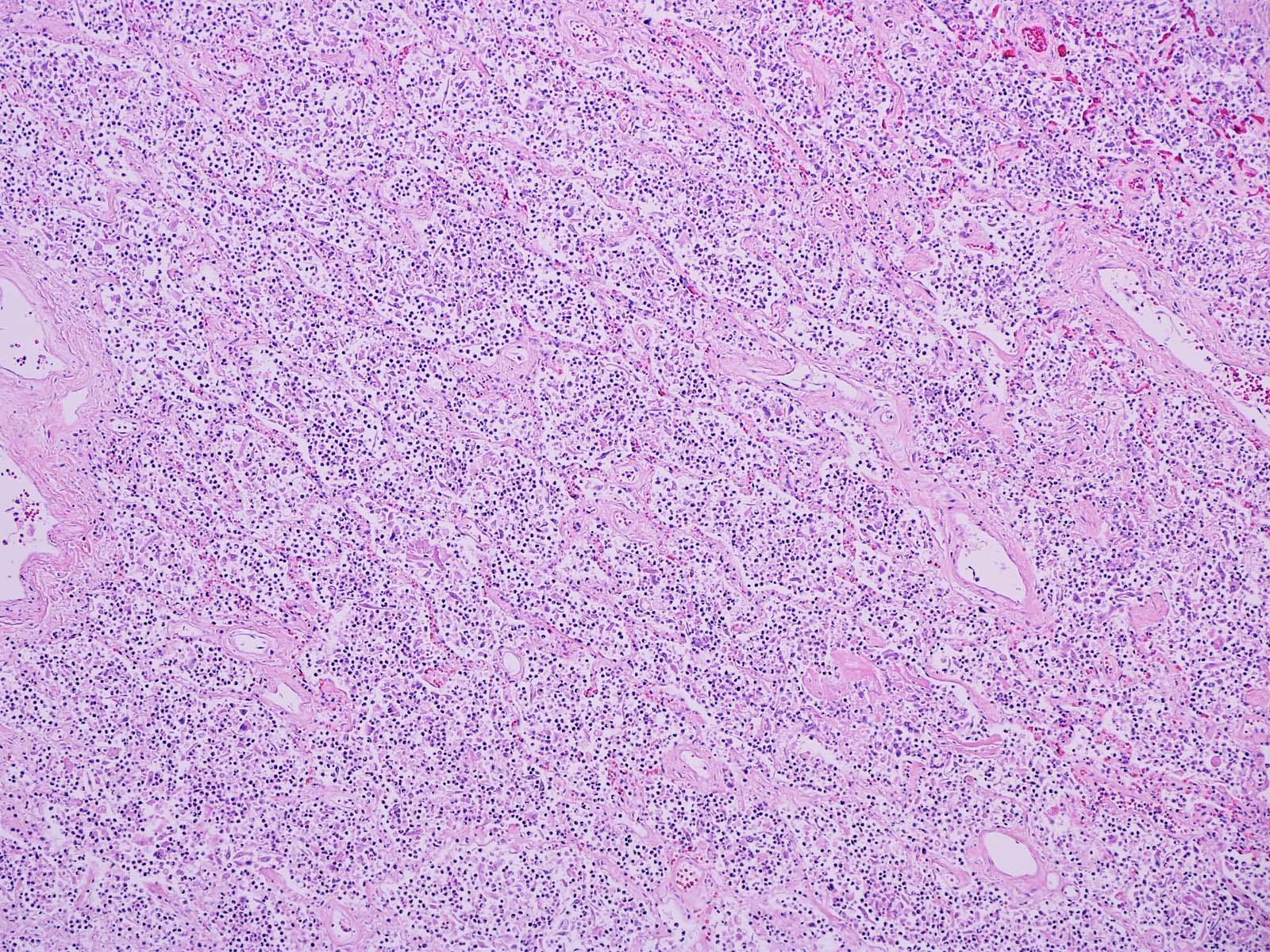
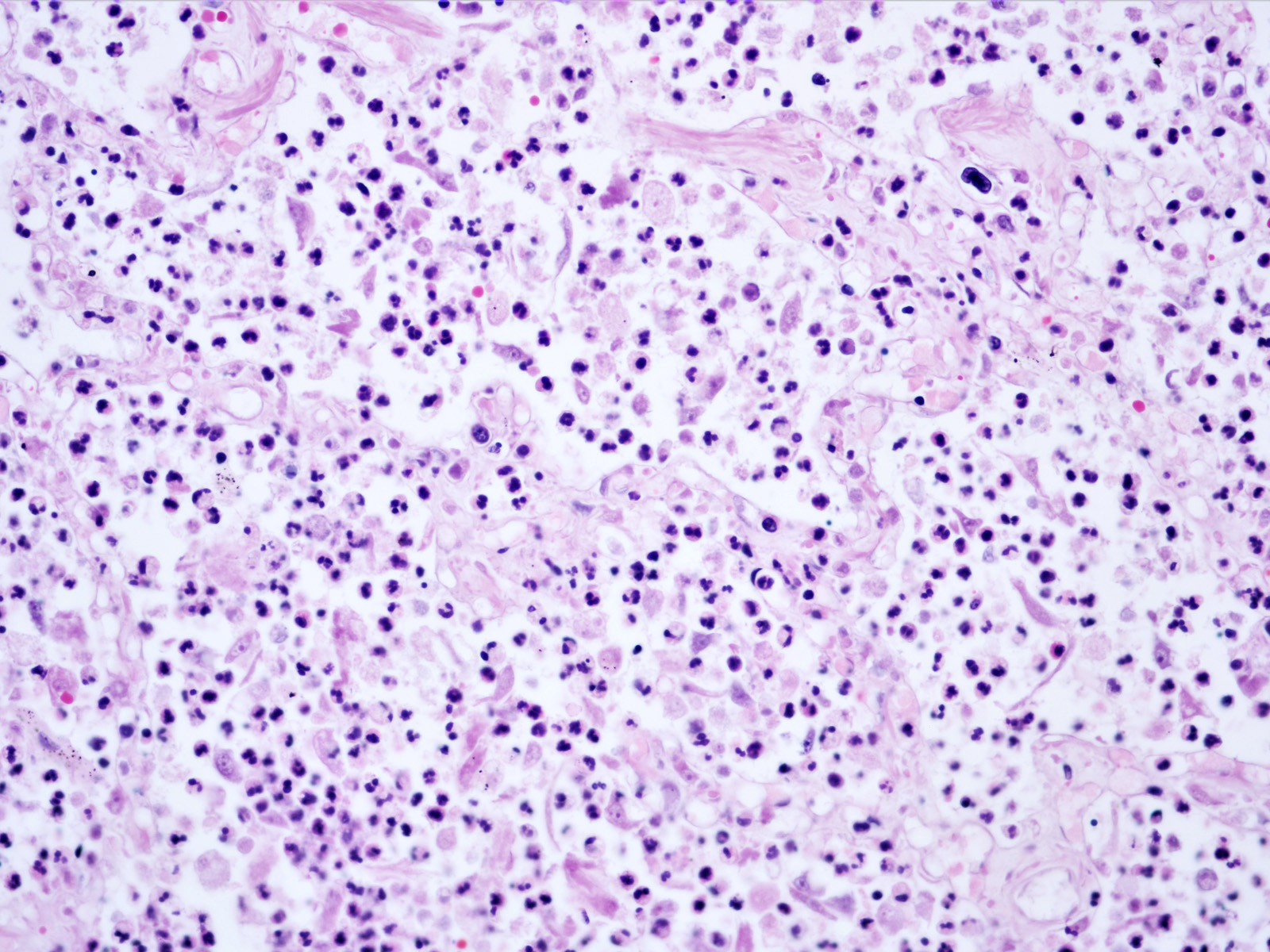
Intra-alveolar neutrophils
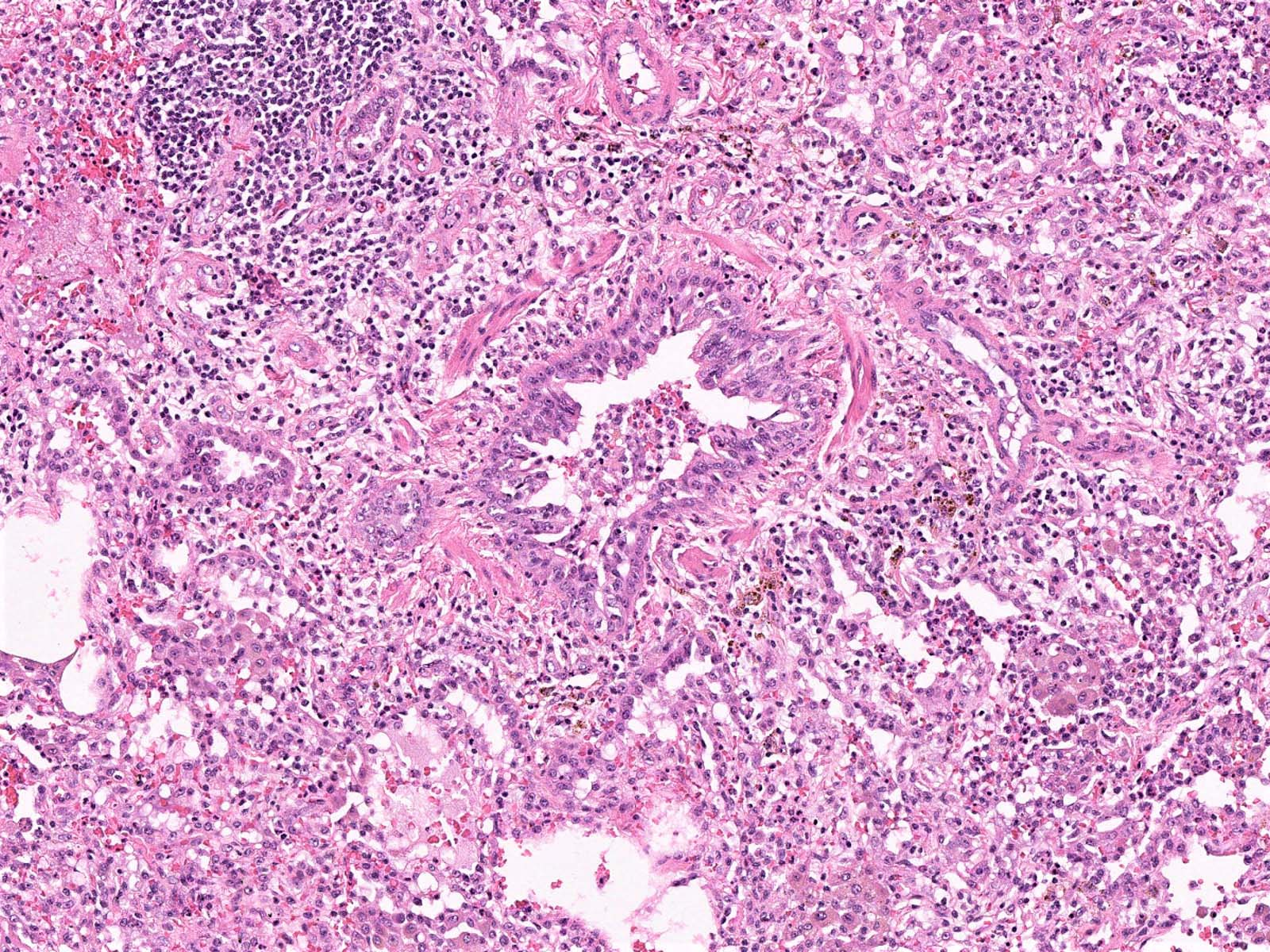
Acute bronchiolitis
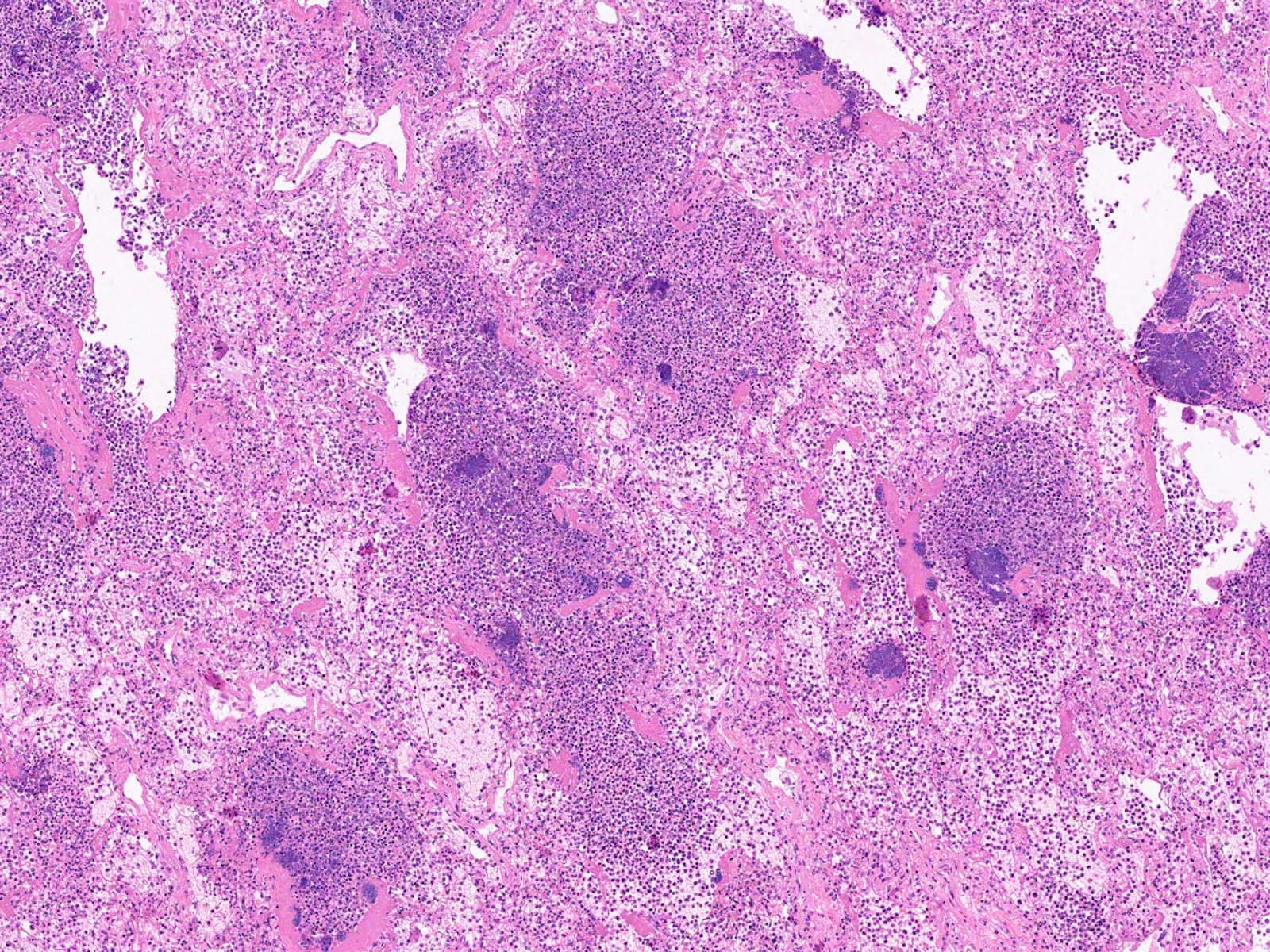
Bacterial colonies

Diffuse alveolar damage
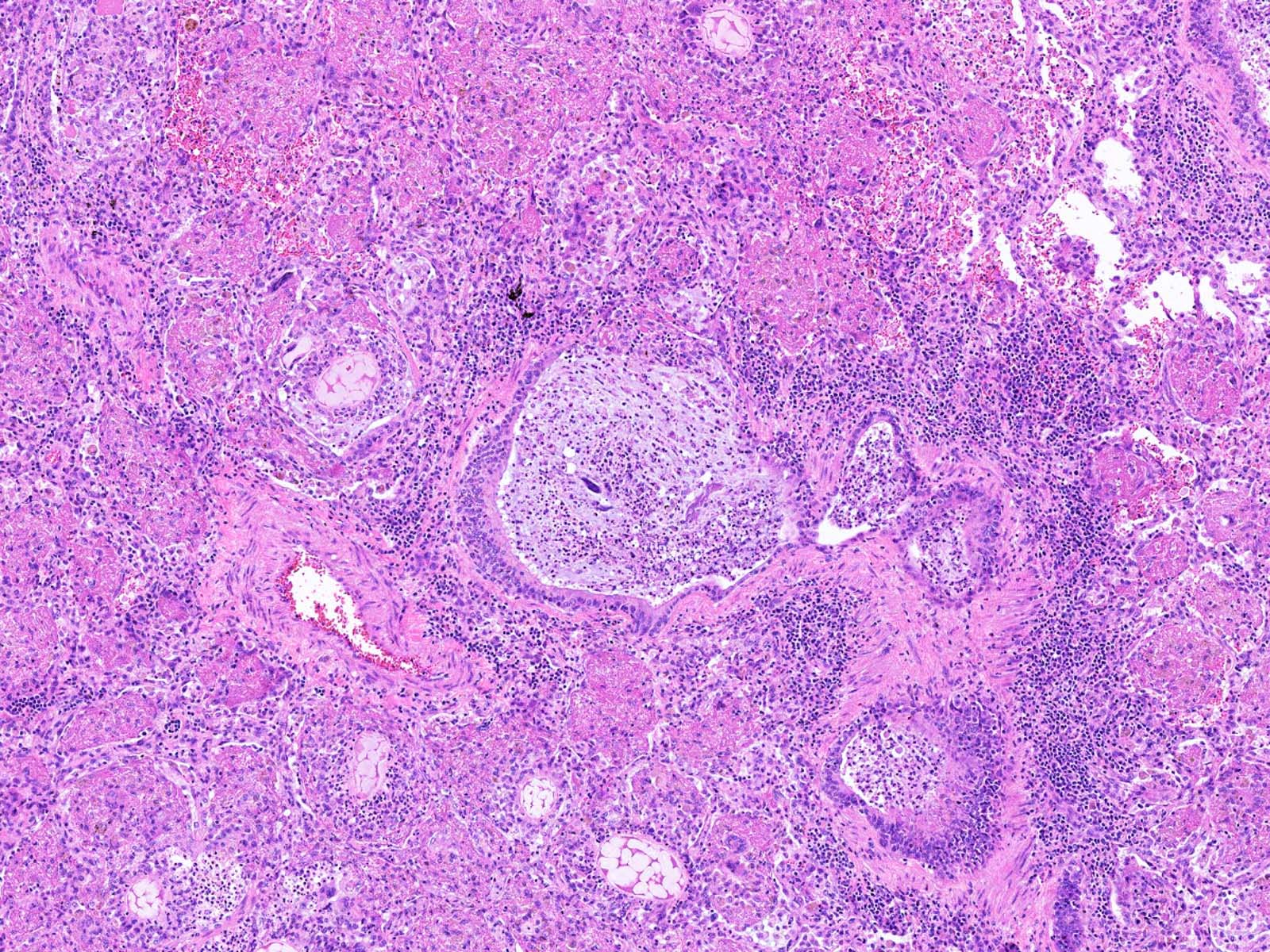
Granulomatous inflammation
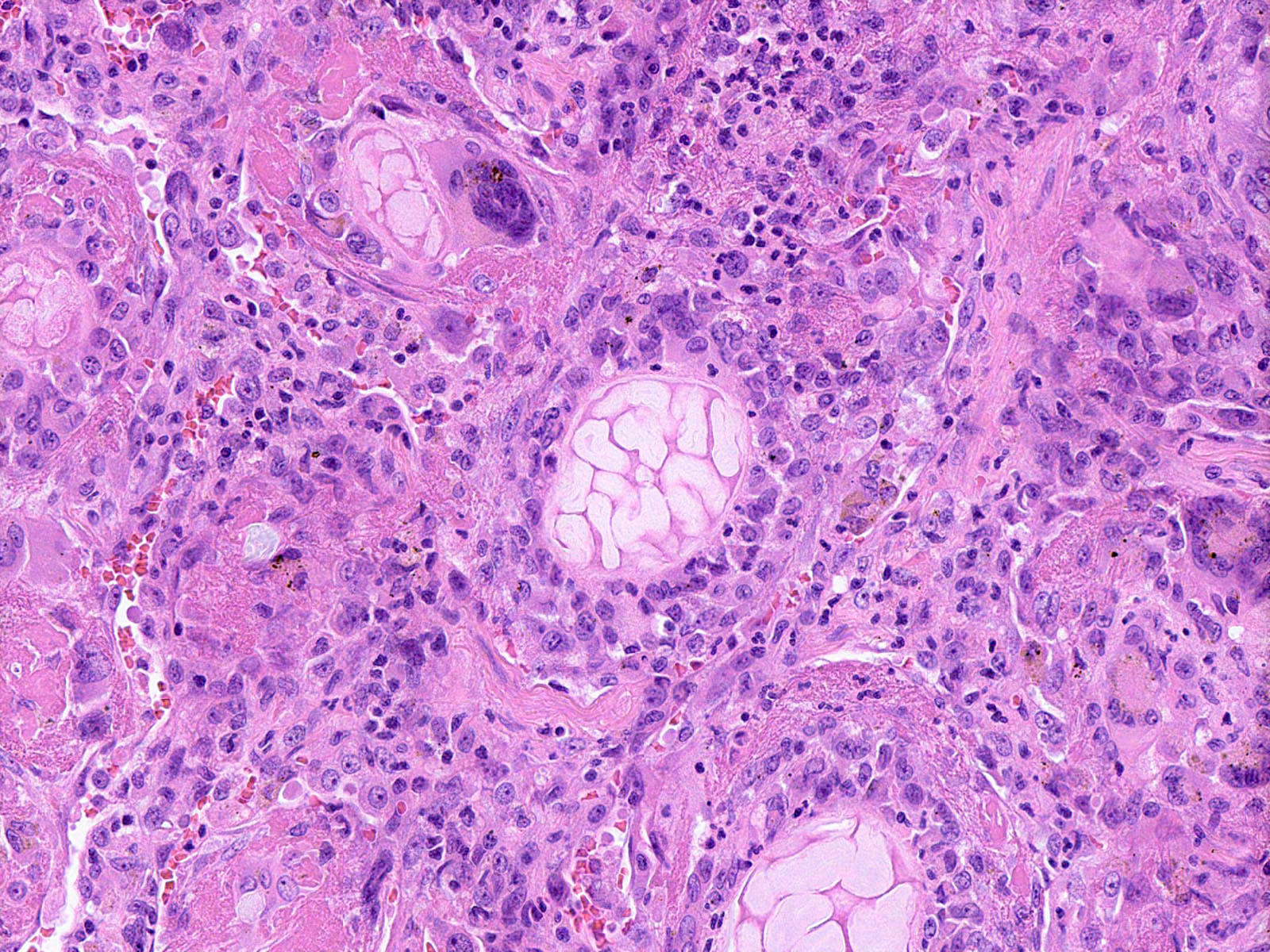
Foreign body
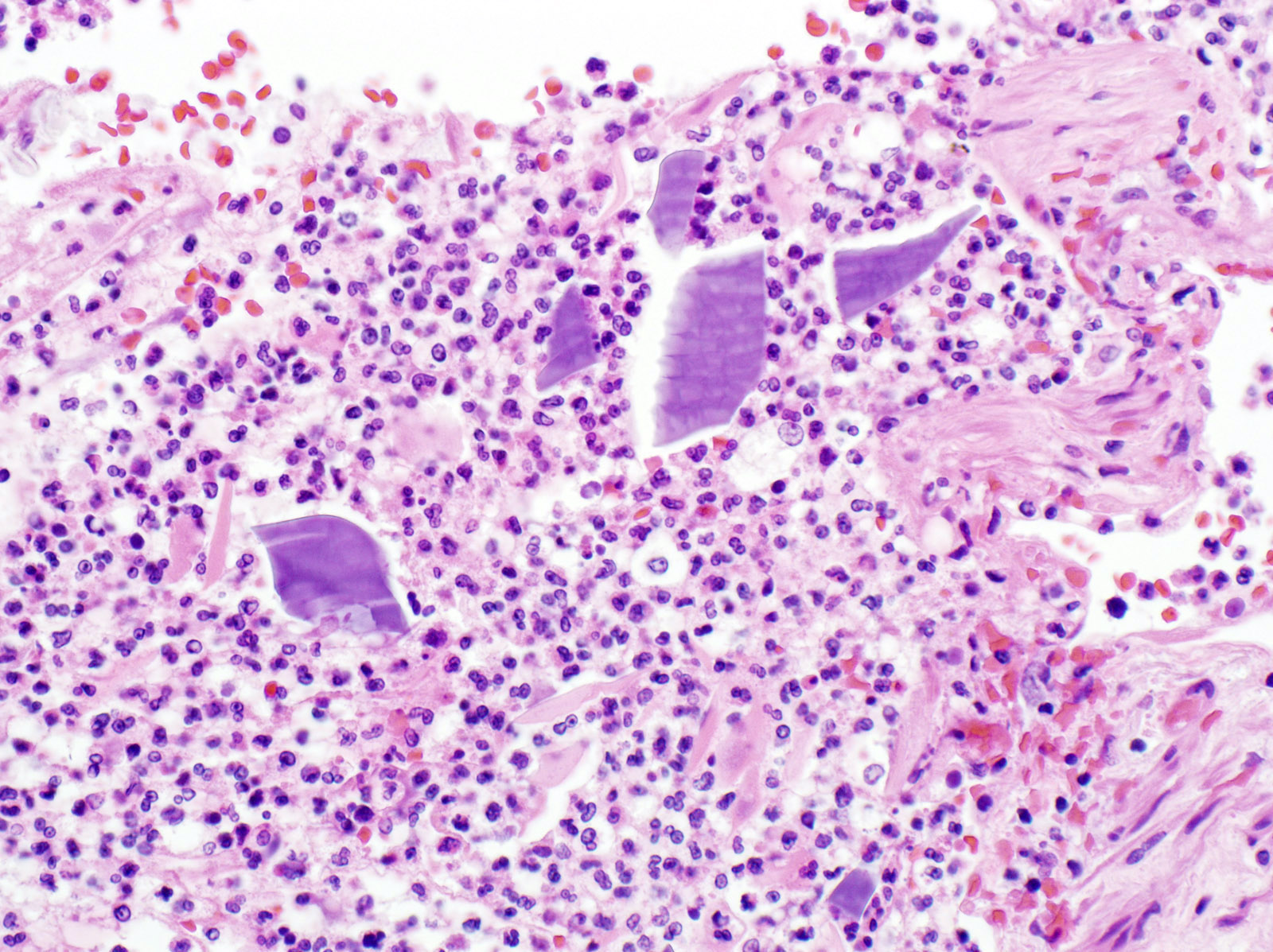

Foreign body

Necrotizing inflammation
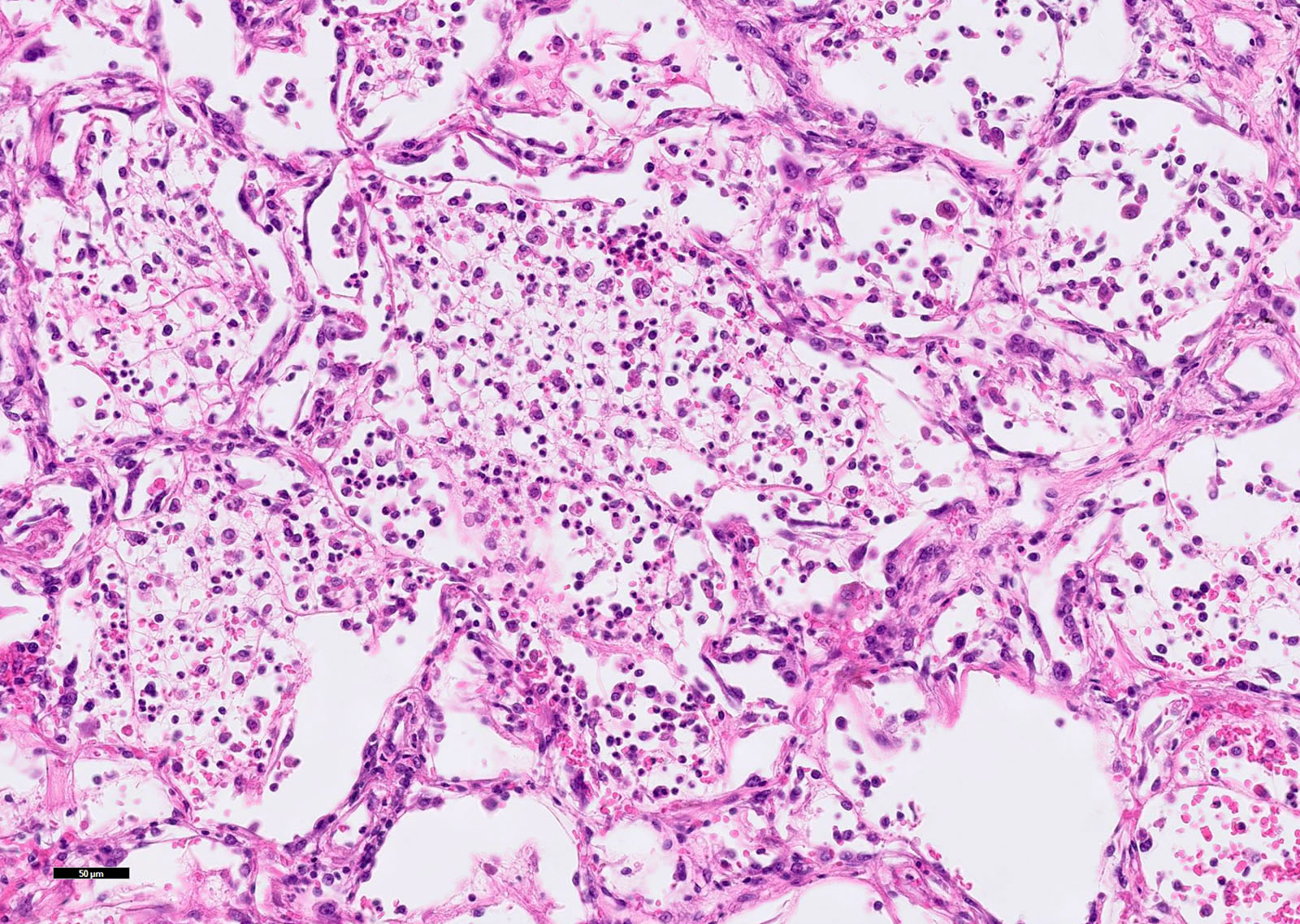
Alveolar exudate
Images hosted on other servers:

Acute
bronchopneumonia

Acute
bronchopneumonia
with DAD

Aspiration pneumonia
- Bacterial pneumonia is rarely diagnosed by cytology alone
- Sources of specimens: sputum, bronchoalveolar lavage, fine needle aspirate (FNA), pleural fluid
- Acute purulent inflammation, with predominant neutrophils (Practical Pulmonary Pathology 2018;147)
- Reactive pneumocytes can be mistaken for malignant cells
- Bacteria can be seen with Diff-Quik preparation
- Colonization must be differentiated from true infection
Images hosted on other servers:

S. pneumoniae (sputum, Gram stain)

P. aeruginosa (sputum, Gram stain)

BAL, purulent exudate

FNA, purulent exudate

FNA, gram negative bacilli
- Grocott-Gomori methenamine silver (GMS):
- Primarily for fungus detection
- Bacteria may also occasionally stain with GMS
- Silver accretion on the surface tends to make the organisms appear larger and should not be confused with yeast (Semin Diagn Pathol 2017;34:498)
- PAS: positive in fungal infections
- Mucicarmine: positive for Cryptococcus neoformans
Bronchopneumonia
Lobar pneumonia
- Lung, right middle lobe, transbronchial biopsy:
- Acute bronchopneumonia (see comment)
- Diffuse alveolar damage
- Comment: Special stains for microorganisms (AFB and GMS) are negative.
- Autopsy report
- Final pathologic diagnosis
- Acute bronchopneumonia involving right upper lobe
- Diffuse alveolar damage
- Microscopic description
- Lungs: Sections of the lungs show intra-alveolar neutrophilic infiltrate with marked congestion. Alveolar septa are widened with mixed inflammatory cells. Reactive pneumocytes and hyaline membrane can be seen throughout the lung tissue.
- Final pathologic diagnosis
- Viral pneumonia:
- Characterized by interstitial mononuclear inflammatory infiltrate, including lymphocytes, macrophages and occasional plasma cells (Kumar: Robbins & Cotran Pathologic Basis of Disease, 10th Edition, 2020)
- Cannot be differentiated by clinical findings
- Viruses cause up to 20% of cases of HAP and VAP (PLoS One 2014;9:e95865)
- Bacterial pneumonia can occur concurrently with influenza virus infection
- Bacterial infection was found 30% of deaths from the 2009 H1N1 influenza pandemic (Am J Pathol 2010;177:166)
- Most common: S. aureus, followed by S. pneumoniae, H. influenzae and group A Streptococcus (Am J Respir Crit Care Med 2019;200:e45)
- Fungal pneumonia:
- Likely to affect immunocompromised host
- Yeast or fungal hyphae are identified with the aid of GMS stain
- Acute interstitial pneumonia:
- Idiopathic interstitial pneumonia characterized by diffuse alveolar damage
- Bilateral lungs are involved
- No microorganism identified
- Invasive mucinous adenocarcinoma:
- Can present with pulmonary infiltrate resembling pneumonia (Cancer Imaging 2019;19:47)
- Characteristic malignant cells can be identified

An 80 year old man presented with dyspnea, altered mental status and evidence of urinary tract infection. He was hospitalized in an intensive care unit for 2 weeks. The patient later developed fever, hypoxemia and new infiltrate on chest radiograph. An autopsy was performed and the lung showed the above histomorphology. What is the likely diagnosis?
- Bronchopneumonia
- Mycoplasma pneumonia
- Pulmonary tuberculosis
- Respiratory bronchiolitis
- Usual interstitial pneumonia
- Aspergillus fumigatus
- Escherichia coli
- Influenza virus
- Staphylococcus aureus
- Streptococcus pneumoniae


